

The Allure of Casino Games
The allure of casino games is deeply rooted in various psychological factors that draw individuals into their vibrant world. One of the most compelling aspects is the thrill associated with risk-taking. People are naturally inclined to seek out adrenaline-pumping experiences, and the unpredictable nature of games like blackjack and roulette satisfies this craving perfectly, especially when they play at the best online casino australia , where the potential for a significant win, coupled with the excitement of uncertain outcomes, creates a compelling environment that captivates players, making them feel alive and engaged.
However, the addiction to this thrill isn’t solely tied to the prospect of financial rewards. The casino environment—characterized by bright lights, enticing sounds, and the buzz of fellow players—creates a sensory overload that heightens excitement. This immersive atmosphere can lead players into a state of flow, where they become entirely engrossed in the gaming experience. In this state, players often lose track of time and their surroundings, compelling them to continue playing as they seek to prolong the euphoric feelings associated with winning or the anticipation of a potential win.
Moreover, the social dynamics of casino games play a crucial role in their appeal. Many games are designed for communal play, providing opportunities for interaction among players. This social element enhances the entertainment value, encouraging longer gaming sessions as individuals share stories, strategies, and engage in friendly banter. The sense of belonging and camaraderie that develops in these environments reinforces their involvement in the gaming experience, making it not just about the games themselves but also about the connections forged with others.
The Role of Cognitive Biases
Cognitive biases significantly shape how players perceive their chances of winning in casino games. One prevalent bias is the illusion of control, where individuals mistakenly believe they can influence the outcome of a game despite its inherent randomness. For example, a player might feel that their betting strategies or intuitive decisions can affect the result of a slot machine spin or a poker hand. This belief can lead to increased time and money spent on games, even when statistical evidence suggests that outcomes are purely chance-driven.
Another common cognitive bias is the gambler’s fallacy, which occurs when players assume that past outcomes will influence future results. For instance, if a roulette wheel has landed on red several times consecutively, players may erroneously believe that black is “due” to appear next. This misconception can prompt erratic betting patterns, as individuals increase their wagers in the hope of a perceived change in luck, often resulting in greater financial losses.

Furthermore, these cognitive biases are magnified by design elements in casino games, such as near-miss outcomes that create the illusion of being close to a win. When players experience near-misses, they often feel compelled to continue playing, chasing the sensation of imminent success while disregarding the underlying odds and probabilities that govern the games. This psychological reinforcement encourages repeated play, making it challenging for individuals to recognize the reality of their chances.
Emotional Appeals in Gameplay
The emotional journey players experience during casino games contributes significantly to their appeal. Players undergo a spectrum of emotions, from initial excitement to tension, joy, and sometimes frustration, creating a captivating rollercoaster experience that compels them to return. Casinos are adept at crafting these emotional arcs, ensuring that players remain engaged and invested throughout their gameplay.
Jackpots and progressive winnings serve to amplify excitement, triggering emotional responses that can lead to an increased desire to play. When players find themselves on the cusp of a win, the rush of anticipation and hope can be intoxicating, driving them to continue playing in search of that elusive victory. This synergy between emotional highs and financial potential creates a powerful motivational force that encourages ongoing participation in gambling activities.
Moreover, players often rely on positive reinforcement from previous wins, which shapes their perception of the game. The excitement that follows a win can overshadow the losses incurred, leading to a skewed memory of their overall gaming experience. This selective recollection reinforces a player’s desire to return, as they focus more on their successes and the potential for future wins rather than their overall losses, perpetuating the cycle of play.
The Impact of Environment and Design
The physical design and environmental factors within a casino significantly influence player behavior and decision-making. Casinos are meticulously crafted to create an inviting atmosphere that encourages prolonged play. Elements such as comfortable seating, ambient lighting, and the strategic arrangement of games are all carefully considered to keep players engaged and entertained. This thoughtful design helps cultivate a space where players feel at ease, further enticing them to spend more time in the casino.
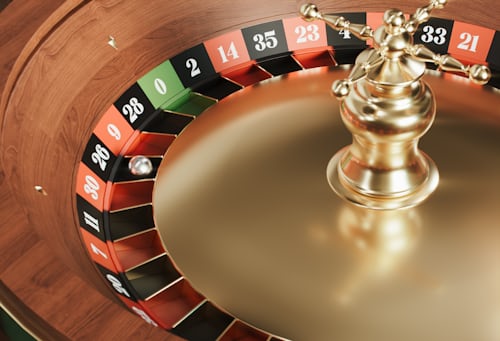
Sound design plays a crucial role in enhancing the gaming experience. The sounds of coins clinking, slot machines ringing, and cheers from other players winning contribute to an auditory landscape that evokes excitement and a sense of community. This continuous stimulation fosters an engaging environment where players feel compelled to immerse themselves further, often leading to extended gaming sessions.
Additionally, the concept of ‘losses disguised as wins’ is prevalent in many casino games. For instance, when a player wins a small amount after a series of losses, the machine or game may celebrate this ‘success’ with lights and sounds, invoking feelings of joy that mask the reality of their overall losses. This clever design plays on psychological triggers, allowing players to maintain an optimistic outlook and a willingness to continue playing despite any financial setbacks they may face.
The Website’s Insights on Casino Gaming Psychology
For those interested in delving deeper into the psychology behind casino games, there are various resources and articles available that explore these intricate dynamics. Understanding the psychological mechanisms at play can equip players with the knowledge necessary to make more informed decisions. By being aware of cognitive biases and emotional influences, individuals can cultivate a more balanced and rational approach to their gaming habits.
Moreover, exploring forums and expert insights can offer valuable perspectives on gambling behavior and the importance of responsible gaming practices. Armed with this information, players can indulge in the thrill of casino games while recognizing the significance of moderation and self-awareness. Striking a balance between enjoying the game and maintaining financial health is essential in navigating the complex world of gambling.
Ultimately, the psychology behind casino games is multifaceted, involving a blend of emotional responses, cognitive biases, and environmental influences. Players can benefit from understanding these elements, which empowers them to engage with casino games thoughtfully and responsibly. Whether for entertainment or social connection, approaching these games with awareness can enhance the overall experience while minimizing potential drawbacks associated with gambling.